How Medical Eye Exams Help Detect Eye Disease Early
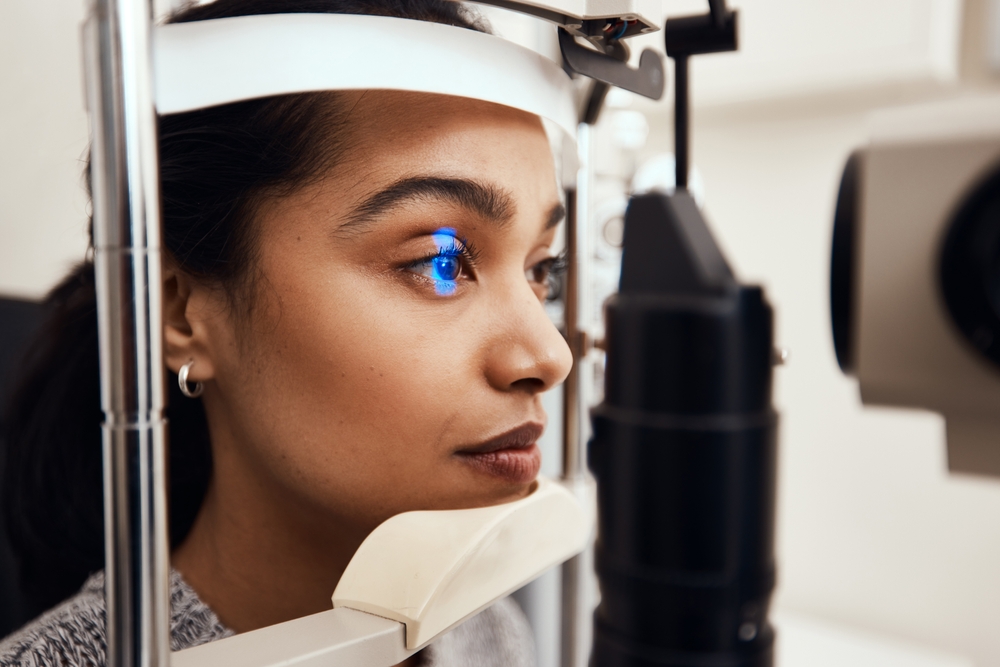
Clear vision does not always mean your eyes are healthy. Many eye diseases develop gradually and cause few noticeable symptoms during their early stages. A medical eye exam gives our eye doctor an opportunity to evaluate the health of your eyes, identify concerning changes, and recommend timely care.
What Is a Medical Eye Exam?
A medical eye exam focuses on diagnosing, monitoring, or treating an eye health concern. It may be recommended when a patient has symptoms, an existing medical condition, a family history of eye disease, or abnormal findings during a comprehensive eye exam.
During the visit, Dr. Cornner may evaluate your eye pressure, retina, optic nerve, cornea, visual field, and other internal and external eye structures. The testing performed will depend on your symptoms, health history, and individual risk factors.
Eye Diseases That May Develop Without Early Symptoms
Some serious eye conditions progress before patients realize anything is wrong. Early eye disease detection is especially important because damage to certain parts of the eye may be permanent.
Medical eye exams may help detect or monitor conditions such as:
• Glaucoma, which can gradually damage the optic nerve and reduce peripheral vision
• Diabetic retinopathy, which affects retinal blood vessels in people with diabetes
• Macular degeneration, which can interfere with central vision
• Cataracts, which cause the eye’s natural lens to become cloudy
• Retinal conditions, including tears, detachment, or blood vessel changes
• Corneal diseases and other conditions affecting the front surface of the eye
Identifying these problems early may provide more opportunities to manage the condition and preserve useful vision.
How Advanced Diagnostic Technology Supports Early Detection
A medical eye exam may include specialized imaging or testing that provides a more detailed view of eye health. At The Eye Corner, advanced technology includes Optos retinal imaging, optical coherence tomography, visual field testing, and tonometry.
Retinal imaging creates detailed pictures of the back of the eye, while optical coherence tomography produces cross-sectional images of the retina and optic nerve. Visual field testing checks for missing areas of peripheral vision, and tonometry measures pressure inside the eyes. These tests help establish a baseline and make it easier to identify subtle changes over time.
Who Should Schedule a Medical Eye Exam?
You may need a medical eye exam if you experience sudden vision changes, flashes, new floaters, eye pain, persistent redness, light sensitivity, or unexplained blurry vision. Patients with diabetes, high blood pressure, autoimmune conditions, previous eye injuries, or a family history of eye disease may also require closer monitoring.
Age is another important consideration. The risk of glaucoma, cataracts, macular degeneration, and other eye conditions often increases over time, making regular evaluations especially valuable for older adults.
Schedule a medical eye exam with The Eye Corner to detect potential eye health concerns early and protect your vision for years to come. Contact our office in Lake Charles, LA by calling (337) 426-9180 today.
Helpful Articles
All Eye Care Services
Find personalized eye care excellence with our comprehensive services. From eye exams to advanced diagnostics, trust us for all your vision needs.

Keep In Touch
For non-urgent questions or to learn more about our services, contact us today!
© 2026 The Eye Corner. All rights Reserved - Accessibility Statement - Privacy Policy - Sitemap
Managed and Designed by 